Is AI’s future truly green? DeepSeek sets a new benchmark for energy efficiency
ARCA News Desk
| May 19, 2025
Credit: muhammad.abdullah via freepik (globe, edited)
TL;DR
DeepSeek gains attention for its cost and energy efficiency, offering hope for sustainable AI development amid climate change concerns.
Chester Wisniewski, Director and Global Field CTO at cybersecurity company Sophos, highlights the privacy and security risks associated with the relatively new LLM.
If we are going to continue to use these technologies, efficiency is absolutely critical for sustainability.
Chester Wisniewski
Director and Global Field CTO
Sophos
DeepSeek is making waves for cost efficiency and development on less powerful tools than its competitors. But what’s sparking more conversation is its energy efficiency, something that could give hope for an uncertain future in the face of climate change.
According to Chester Wisniewski, Director and Global Field CTO at cybersecurity giant Sophos, DeepSeek may be sparking a new direction for AI that will prioritize efficiency across the board:
Energy efficiency: “With regard to energy use, efficiency, latency, and cost, this is a big deal,” says Wisniewski. DeepSeek R1’s standout feature is its efficiency—roughly 10 times more efficient than other large models due to its innovative distillation methods that shrink the model’s footprint. “We have been using similar techniques at Sophos for years to build efficient models for cybersecurity, and this media coverage will likely spur distilled versions of many other models that will piggyback on this to gain similar efficiencies,” Wisniewski explains.
Efficiency isn’t just a luxury—it will determine how much potential damage AI could do to the environment if checks aren’t put in place. “If we are going to continue to use these technologies, efficiency is absolutely critical for sustainability,” Wisniewski emphasizes.
Security: However, there are some concerns regarding the model’s privacy implications, particularly when hosted in certain regions. “I think it is fair to say no one who is concerned with privacy should use the model hosted by DeepSeek in China,” he cautions. But because it’s an open model, there are alternatives. “There are many providers hosting DeepSeek in various jurisdictions that can alleviate those concerns.”
With regard to energy use, efficiency, latency, and cost, this is a big deal.
Chester Wisniewski
Director and Global Field CTO
Sophos
Competition: Beyond efficiency and privacy, DeepSeek could usher in a new wave of competition. Wisniewski highlights two key areas where this will likely play out. “The first is on efficiency and responsiveness. The big competitors will need to step up and offer similarly efficient models to remain competitive, which should bring all costs down,” he notes.
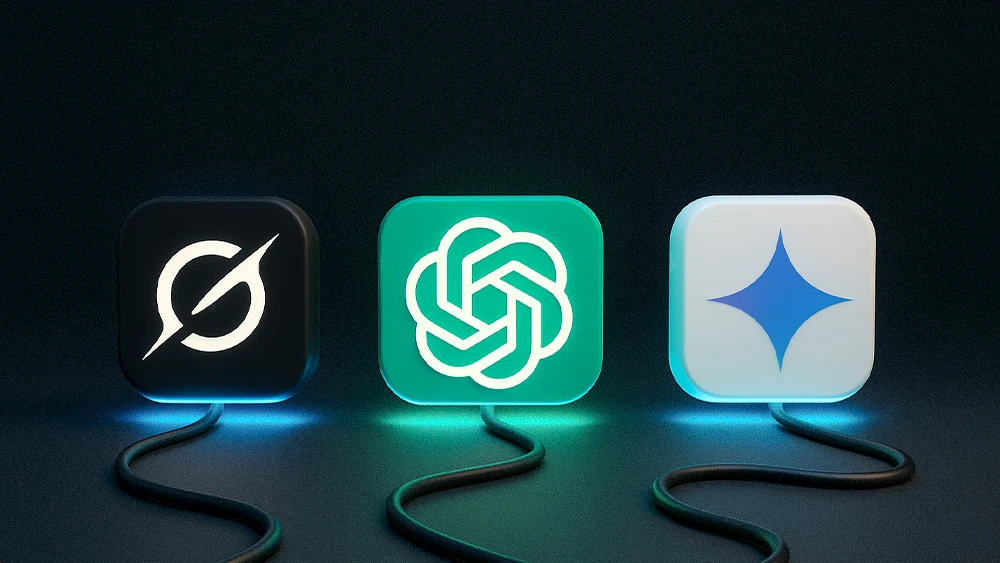
The second impact is perhaps even more profound: the potential for smaller companies and startups to gain a foothold in the AI industry. “This may enable new startups to be competitive in a landscape where the table stakes used to start at billions of USD,” Wisniewski says. “Smaller firms around the world have a free and highly capable model that they can build on top of to compete with OpenAI, Google, and the rest.”
Ultimately, this democratization of AI technology could change the game for both small and medium-sized businesses (SMBs) and large enterprises. “All of this will have knock-on effects for what is available to both SMBs and enterprises and may change the affordability curve,” Wisniewski predicts.
On AGI: That said, the broader AI race isn’t slowing down anytime soon. “There will be more competitive offerings from more companies than before, but that won’t stop OpenAI and Google from racing toward AGI,” Wisniewski observes. “Everyone wants to be first to AGI and appears willing to spend money as if it is not an object.”