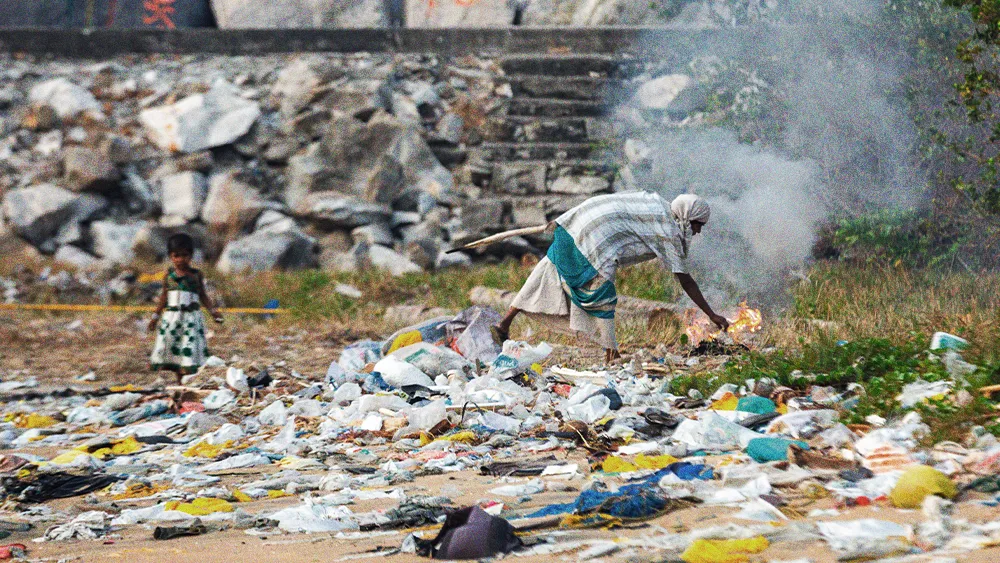
Discarded technology is projected to reach 72 million tons annually in landfills by decade’s end, with no solid solution to properly recycle tech goods. Currently, 83% of devices sent for recycling still end up in landfills, revealing a system that’s failing to address one of our generation’s most pressing environmental challenges.
We spoke with Lo Terry, AI Governance Lead at Human-I-T, about the growing challenges of electronic waste and why traditional recycling falls short.
A growing crisis: “When I started at Human-I-T in 2021, there were 57 million tons of technology were getting thrown away every year. As of last year, it’s 63 million, and by the end of this decade, it’s will be about 72 million tons,” Terry states, highlighting the escalating problem.
Human-I-T is a social enterprise creating equitable access to opportunities through technology. By providing devices, internet access, digital skills training, and compliant AI and data-driven tech support, they serve communities left on the wrong side of the digital divide. Through their work refurbishing and redistributing tech gear, they’ve processed 16 million pounds of electronics to date.
Data and compliance: Human-I-T offers an alternative approach. “Of all the metals inside of electronics, you can only recycle and restore about 10%, so there is still a lot of waste,” Terry notes.
Instead, their organization focuses on data sanitization and refurbishment: “What we offer is ISO 45001 certified data sanitization – we completely wipe and scramble the data so it can never be accessed. Then we refurbish the devices to factory standards or better, and redistribute them into the community. This is the best possible outcome for this technology. Our partners want to see their equipment doing more than just sitting in a landfill, and we make that possible.”
Infrastructure gap: The challenge behind these growing numbers lies primarily in recycling capabilities and accessibility. Terry explains, “There’s only a few sites on Earth that can capably and repeatedly recycle this technology to its maximum recyclability. And they’re not all evenly spread out across the world… most importantly, some of them are overseas from the United States.”