How Coca-Cola, Ford, and GM are responding to Trump’s metal tariffs
ARCA News Desk
| February 14, 2025
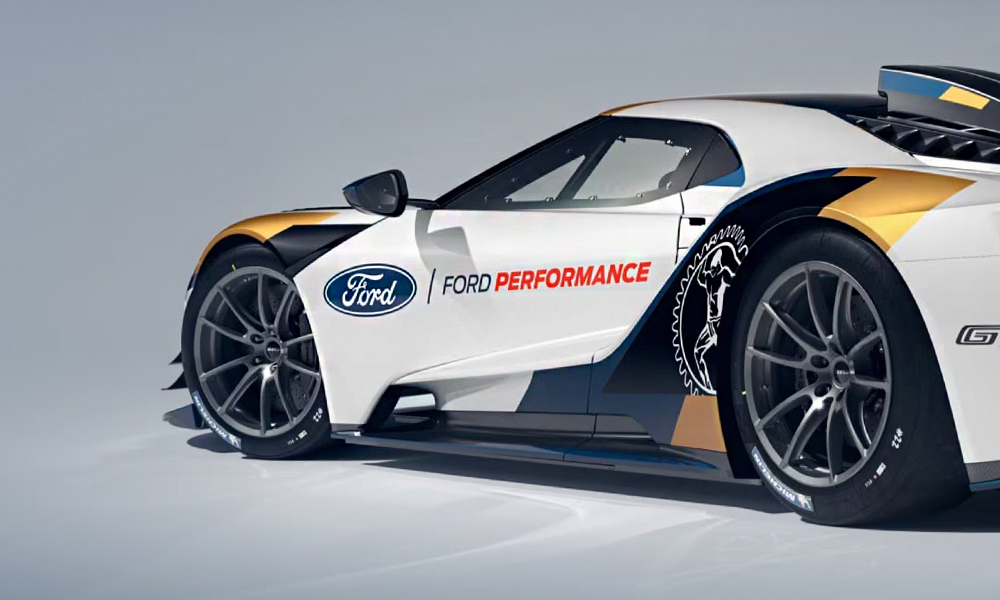
Credit: Ford
TL;DR
American companies are adjusting strategies in response to President Trump's new tariffs on aluminum and steel imports.
Coca-Cola plans to shift towards PET plastic bottles to counteract rising aluminum costs.
Ford's CEO criticizes the tariffs, citing increased costs and supply chain disruptions in the auto industry.
American businesses are adjusting their strategies in response to President Donald Trump's latest tariff announcements, with major corporations including Coca-Cola and General Motors (GM) outlining contingency plans to mitigate rising costs.
Tariff tactics: Trump imposed a "no exceptions or exemptions" 25% tariffs on aluminum and steel imported into America. The move is widely seen as targeting China, though much of the U.S. supply comes from Canada. The associated cost implications for manufacturers may be significant, forcing large industries to formulate a response.
From cans to bottles: During an earnings call following the announcement, Coca-Cola CEO James Quincey said the beverage giant plans to rely more heavily on PET plastic bottles instead of aluminum cans to maintain affordability.
"If aluminum cans become more expensive, we can put more emphasis on PET bottles," he told analysts on the call. While downplaying the overall financial impact of the pending aluminum price hike on the company's business, he acknowledged it may also seek domestic aluminum sources and adjust consumer pricing.
Environmental implications: However, the shift toward less-recycled plastic comes at a time when Coca-Cola is already under fire for its environmental impact. The company recently scaled back its sustainability goals, reducing its target for recycled content in packaging and delaying commitments to recycling initiatives.
GM talks strategies: In the automotive sector, General Motors is also preparing for the financial impact of potential tariffs on vehicles and parts imported from Canada and Mexico. CEO Mary Barra said the company has strategies in place to offset 30% to 50% of potential costs without additional capital investments.
Ford voices concerns: Meanwhile, Ford CEO Jim Farley criticized the tariffs, warning they are creating "chaos" in the industry by increasing costs and disrupting supply chains. While Ford sources most of its steel and aluminum domestically, suppliers relying on foreign materials could see higher costs passed down to automakers.