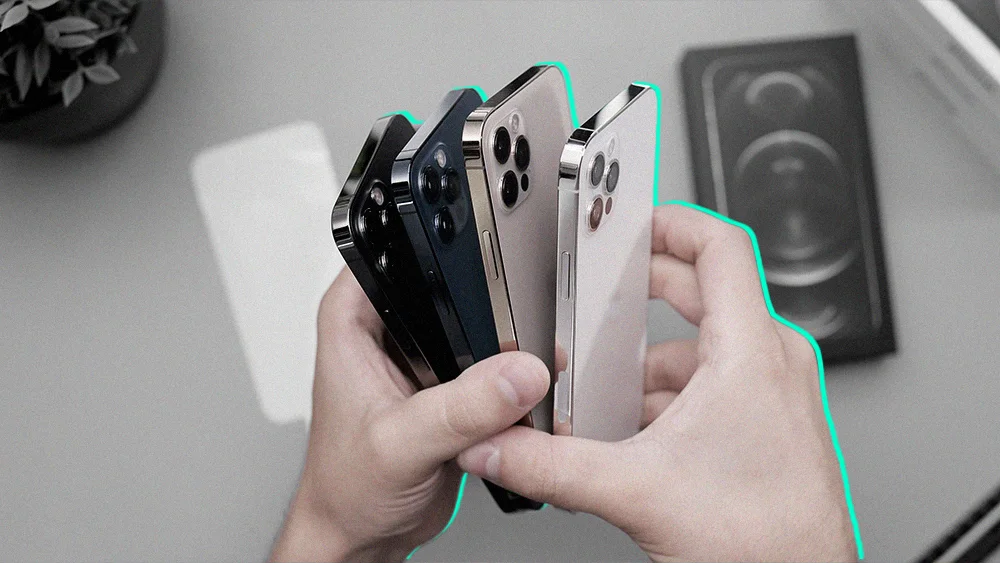
Tariffs drove demand for refurbished devices, making circular tech a mainstream choice
ARCA News Desk
| June 16, 2025
Source: Daniel Romero (edited)
TL;DR
Tariffs are driving a surge in the circular economy, boosting demand for refurbished electronics as consumers seek sustainable and economical alternatives.
Antony Harrat of Back Market reports a tripling of sales following new tariffs, indicating a shift towards mainstream acceptance of refurbished tech.
Repairability is becoming a key value measure, with consumers keeping devices longer and recent right-to-repair efforts simplifying repairs.
When the new tariffs were announced, our sales tripled almost overnight. It wasn’t just that customers anticipated price hikes on new phones from China; they consciously chose a more sustainable and economical path with refurbished tech.
Antony Harrat
Director of Quality
Back Market
While tariffs rattle global markets, they’re powering a surge in the circular economy. For refurbished goods, trade tensions aren’t a hurdle. They’re a catalyst.
Antony Harrat is Director of Quality at Back Market, a leading marketplace for refurbished electronics. Drawing on two decades of streamlining operations and supply chains, he sees today’s tariff-fueled demand spike as part of a lasting consumer shift.
From tariffs to tailwind: “When the new tariffs were announced, our sales tripled almost overnight,” says Harrat. “It wasn’t just that customers anticipated price hikes on new phones from China; they consciously chose a more sustainable and economical path with refurbished tech. It’s a clear signal that the circular economy is no longer a niche idea. It’s becoming mainstream,” he says.
Conscious consumption: The surge in demand didn’t catch Harrat off guard. “I anticipated that tariffs would drive growth in the circular economy,” he recalls. “Phones aren’t being imported like before, so people are turning to what’s already in the market.” With new devices from China set to rise in price, he says consumers are choosing value and sustainability over urgency. “Tariffs also signaled inflation, so people are more conscious of their spending and more focused on refurbished tech now,” says Harrat.
Honestly, you can keep your phone 10 years. There’s nothing stopping you from fixing it. The only things that typically go wrong are a drop or a dead battery—and even that can be replaced.
Antony Harrat
Director of Quality
Back Market
If it’s broke, fix it: Repairability is fast becoming a key measure of value in consumer tech. “People are keeping their phones longer,” Harrat says. “In the early days of smartphones, people changed phones yearly. That doesn’t happen anymore.” While habits vary, the trend is clear: consumers are stretching the life of their devices. “Honestly, you can keep your phone 10 years,” he adds. “There’s nothing stopping you from fixing it. The only things that typically go wrong are a drop or a dead battery—and even that can be replaced.”
Repair as infrastructure: That shift is forcing both manufacturers and marketplaces to rethink what circularity really requires. Harrat notes that recent right-to-repair efforts are already having an impact. “On the iPhone 8 to 15, changing a battery required micro-soldering. Now, on the iPhone 16, it’s plug and play.” If the circular economy is going to scale, repair can’t just be possible. It has to be easy.
Refurb, refined: Quality control at scale takes more than checklists. It takes data. “From day one, everything was built with algorithms,” Harrat says. “Now we’ve integrated more advanced AI.” The goal isn’t just automation, it’s precision. By analyzing tens of thousands of customer service tickets daily, Harrat can surface specific issues—like battery or speaker problems—instead of vague labels like “defective.”
“The next step is getting that feedback to sellers in a useful format,” he adds, “so they can actually fix what’s going wrong in the refurbishing process.”